Writing / Public Notebook / AI & Systems
Common Sense Still Has to Attend the Meeting
AI can prepare the agenda, summary, and reminders. The final ownership still needs a human being who has read the room.
I have seen meetings where everything looked organised on paper.
The agenda was clear. The discussion had points. The summary looked neat. Everyone nodded at the right time. If you only read the notes later, you would think the work was fully understood.
But inside the room, something was still missing.
Nobody had clearly owned the next step. A few people were agreeing politely, not confidently. One concern was sitting quietly in the corner because raising it would slow the meeting down. The document looked complete, but the decision was still a little loose.
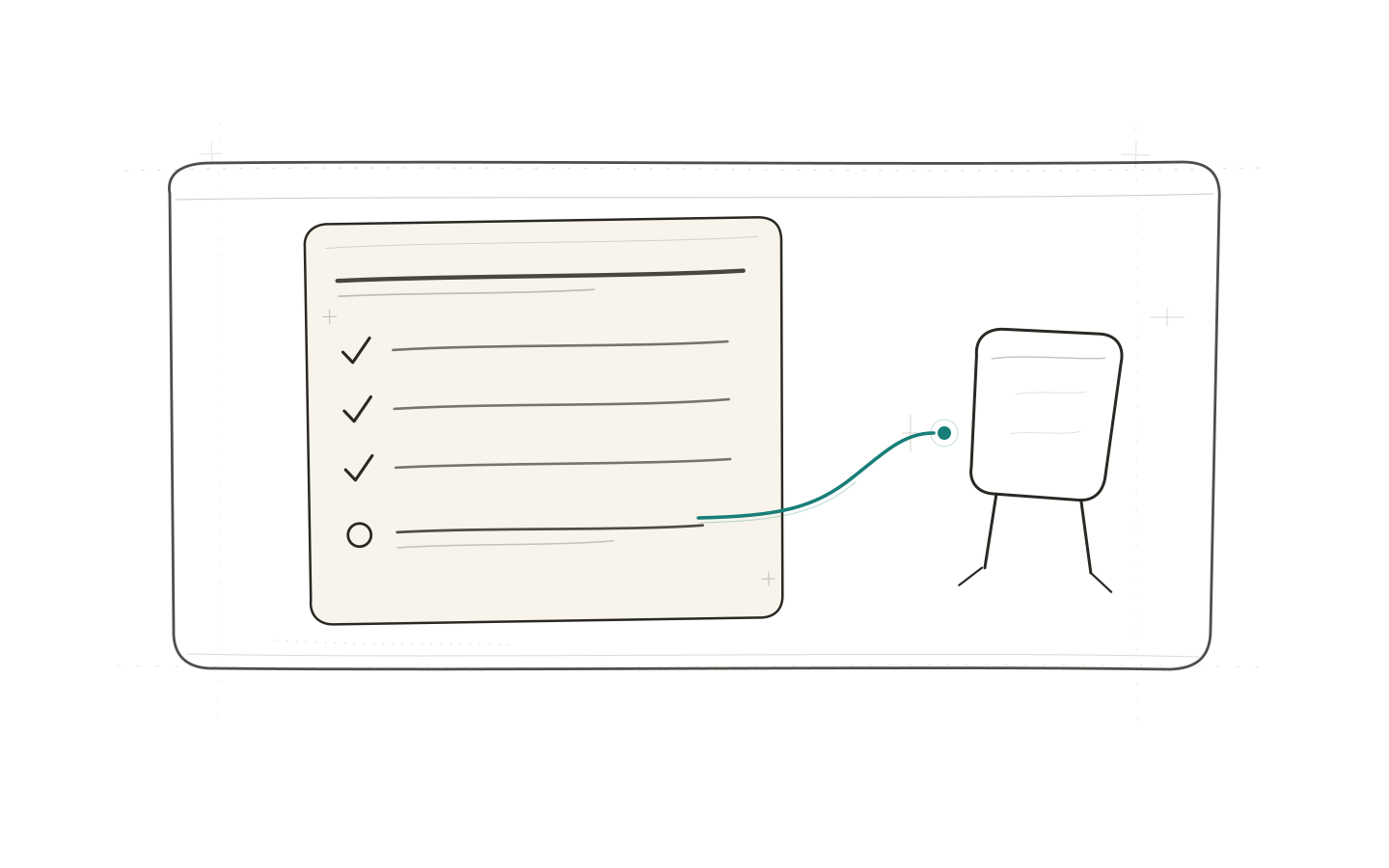
This is where I find AI very useful, and also very limited.
AI can prepare an agenda faster than I can. It can clean up rough notes, convert scattered discussion into minutes, remind people about follow-ups, and help compare options. Used properly, it reduces a lot of noise. It gives structure to work that otherwise stays messy.
But it cannot fully read the room.
It does not know who is hesitating because they disagree, who is silent because they are overloaded, or who has accepted a responsibility only because the meeting needed to move forward. It can capture what was said. It cannot always understand what was avoided.
That part still needs human judgement.
In operations, projects, teams, and daily work, the real issue is often not the information. The real issue is ownership. Who will do this? By when? What can go wrong? Who will be affected if we get it wrong? Is this actually decided, or have we only made the notes look decided?
Common sense is not a small add-on after the tool has done its work. It is the thing that checks whether the work makes sense in the real world.
A polished summary can still miss the main concern. A smart recommendation can still ignore timing. A clean action list can still hide unclear ownership. A fast answer can still be the wrong answer if nobody has thought about people, pressure, consequence, and follow-through.
AI helps. But common sense still has to attend the meeting.
For me, the useful habit is simple. Let the tool organise the information. Then pause like a responsible person.
Ask what was not said.
Ask who actually owns the next step.
Ask whether the plan will survive Monday morning, not only the meeting room.
Technology can make work faster. It can make thinking cleaner. It can even help us remember what we forgot.
But the final decision still needs a human being who has read the room, understood the consequence, and is willing to stand behind the outcome.
Before closing the meeting, one question still matters more than the minutes:
Who owns this now?
← Back to Writing